

Trust & Safety
The Most Common Online Shopping Scams and How to Avoid Them (2025 Guide)
Online shopping in 2025 offers incredible convenience, but scammers are more sophisticated than ever. Learn how to spot the most common scams and protect yourself before you click "buy."
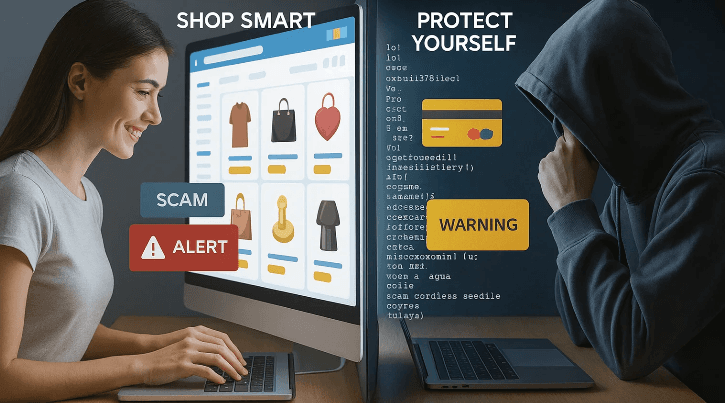
Online shopping in 2025 offers incredible convenience, but it also comes with risks. Scammers are more sophisticated than ever, using clever tactics to trick unsuspecting shoppers out of their money and personal information. To shop safely, it's essential to recognize the most common online shopping scams. This guide breaks down the top threats you need to be aware of and provides practical tips to help you avoid them.
1. The Fake Storefront Scam
This is one of the most common scams. Fraudsters create professional-looking but entirely fake e-commerce websites offering popular products at unbelievably low prices. After you place an order, you either receive a cheap, counterfeit item or nothing at all.
How to Avoid It: Be wary of deals that seem "too good to be true." Before buying from an unfamiliar site, search for independent reviews on platforms like Tellacity. Check for a physical address and a working phone number on their contact page. A lack of contact information or a brand-new domain name are major red flags.
2. The Phishing Scam
Phishing scams arrive via email, SMS, or social media messages that appear to be from a legitimate retailer like Amazon or a shipping company like FedEx. These messages often claim there's a problem with your order or that you've won a prize, and they include a link to a fake login page designed to steal your username and password.
How to Avoid It: Never click on links in unsolicited messages. If you need to check on an order, go directly to the retailer's official website by typing the address into your browser. Hover over links to see the actual URL before clicking, and be suspicious of any message that creates a false sense of urgency.
3. The Social Media Shopping Scam
Scammers create fake ads on platforms like Instagram and Facebook, often promoting trendy items. These ads lead to fake storefronts or simply collect your payment information without any intention of sending a product. The ads often feature stolen images and fake customer comments to appear legitimate.
How to Avoid It: Be cautious when shopping directly through social media ads. Stick to well-known brands or, if you're interested in a new company, do your due diligence. Check their social media page for a long history of posts and real customer engagement, and look for reviews on independent sites before making a purchase.
4. The Payment Redirection Scam
In this scam, a seemingly legitimate website will redirect you to an insecure or unusual payment page. They may ask for payment via wire transfer, gift cards, or cryptocurrency. These payment methods are untraceable and non-refundable, making them a favorite for scammers.
How to Avoid It: Only use standard, secure payment methods like credit cards or PayPal, which offer fraud protection. Never agree to pay for an online purchase with a wire transfer, gift card, or crypto. Ensure the payment page URL starts with https:// and has a padlock icon.
5. The Counterfeit Goods Scam
You find a website selling luxury goods like designer handbags or high-end electronics at a steep discount. You place an order and receive a product, but it's a cheap, low-quality fake. These sites often use the real brand's logos and product photos to deceive you.
How to Avoid It: If you're buying luxury items, purchase them directly from the brand's official website or an authorized retailer. Be skeptical of significant discounts on high-end products. If the price seems too good to be true, it's almost certainly a counterfeit.
6. The Subscription Trap
This scam offers a "free trial" for a product but requires you to enter your credit card information for "shipping." Buried in the fine print is an agreement that enrolls you in an expensive, hard-to-cancel monthly subscription.
How to Avoid It: Always read the terms and conditions carefully before signing up for any free trial. Be wary of offers that require a credit card for a "free" product. Check your credit card statements regularly for any unauthorized or unexpected charges.
Staying Safe Online
Staying safe online is about being vigilant and skeptical. By understanding these common scams and taking a few simple precautions, you can protect yourself from fraud and enjoy a secure and positive online shopping experience.