
Trust & Safety
How the Tellacity Trust Score Works in 2025
The Tellacity Trust Score is more than just an average of star ratings; it’s a dynamic, multi-faceted metric designed to reflect a business's true reputation in real time.
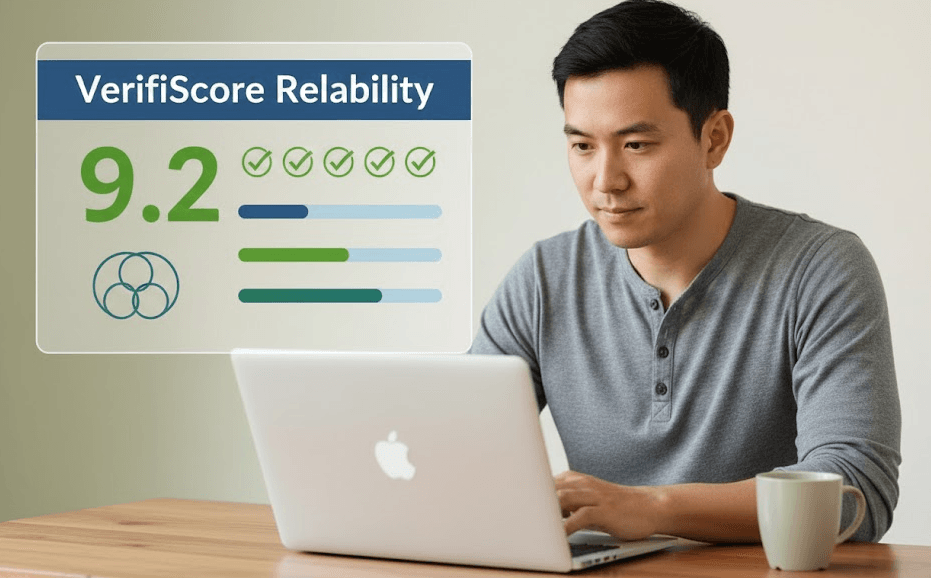
In 2025, the Trust Score is calculated using a sophisticated algorithm that weighs several key factors, ensuring a fair, accurate, and comprehensive measure of trustworthiness. Understanding how it works is crucial for both businesses seeking to improve their reputation and consumers looking to make confident decisions. This guide breaks down the core components of the Tellacity Trust Score.
1. Verified vs. Unverified Reviews
The most heavily weighted factor in the Trust Score is the verification status of a review. A "Verified" review, backed by proof of experience like a receipt or order confirmation, carries significantly more weight than an unverified one. This is because verification confirms a genuine interaction, making the feedback far more credible. Businesses with a higher proportion of verified reviews will naturally have a more resilient and trustworthy score.
2. Recency of Reviews
A business's performance can change over time, so recent reviews are more indicative of its current quality than older ones. The Trust Score algorithm gives more weight to newer reviews and gradually reduces the impact of older feedback. This ensures the score is a relevant reflection of the business's present service levels, not its performance from years ago. A steady stream of recent reviews is key to maintaining a high score.
3. Star Rating Distribution
While the average rating is important, the algorithm also analyzes the distribution of stars. A business with a mix of 4- and 5-star reviews is often more credible than one with only perfect 5-star ratings, which can sometimes be a sign of manipulation. The system looks for natural-looking patterns in feedback, rewarding organic and balanced review profiles.
4. Business Engagement and Response Time
How a business interacts with its feedback is a strong signal of its commitment to customer service. The Trust Score algorithm rewards businesses that respond to reviews, especially negative ones, in a timely and professional manner. Quick response times and a high response rate demonstrate that a business is attentive, accountable, and values its customers' opinions.
5. Fraud Detection and Penalties
Tellacity’s advanced AI fraud detection system constantly scans for suspicious activity, including fake reviews, review bombing, and other forms of manipulation. When fraudulent activity is detected and confirmed, the offending reviews are removed, and the business may face a temporary penalty to its Trust Score. This protects both consumers and honest businesses by actively penalizing attempts to game the system.
6. Volume of Reviews
The total number of reviews a business has also plays a role, albeit a smaller one. A business with hundreds of reviews has a more statistically reliable rating than one with only a few. While quality and verification are more important, a healthy volume of reviews provides a broader, more comprehensive view of the customer experience, contributing to a more stable Trust Score.
Bringing It All Together
By combining these factors, the Tellacity Trust Score provides a holistic and trustworthy measure of a business's reputation. It’s a system designed to reward transparency, authenticity, and excellent customer service, giving consumers a reliable metric to guide their decisions and businesses a clear roadmap for building trust.